
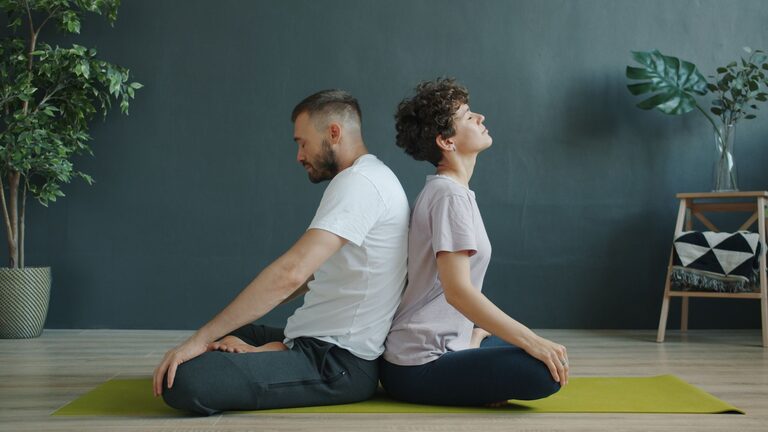
Beginner Tips for Mindful Breathing Breaks to Boost Your Day
Taking mindful breathing breaks is a simple, effective way to calm your mind and refresh your body during a busy day. Whether you work at a desk, take care of a household, or spend time on creative projects, these breaks can help center your focus and reduce stress.
If you’re new to mindful breathing, this guide offers beginner-friendly tips to get you started and make mindful breathing a regular part of your routine.
What Is Mindful Breathing?
Mindful breathing is the practice of paying full attention to your breath—how it feels as you inhale and exhale—without trying to change it. It’s about observing the breath in a calm, focused way.
This simple act helps you shift your attention away from distractions and worries, grounding you in the present moment. Mindful breathing has been shown to reduce anxiety, lower heart rate, and improve concentration.
Why Take Mindful Breathing Breaks?
Taking short mindful breathing breaks offers many benefits, including:
– Stress reduction: Breathing slowly and deeply signals your nervous system to relax.
– Improved focus: A pause to reset your mind can help you return to tasks with better concentration.
– Emotional balance: Mindful breathing encourages calmness and emotional regulation.
– Physical relaxation: It can ease muscle tension and reduce headaches caused by stress.
Even just a few minutes a day can make a difference.
How to Prepare for Your Breathing Break
Setting yourself up for a successful mindful breathing break is easy. Here’s how to begin:
- **Find a comfortable spot:** Sit or lie down in a place where you feel relaxed and won’t be disturbed.
- **Set a timer:** Start with 2–5 minute sessions to keep it manageable. You can gradually increase the length as you get more comfortable.
- **Use gentle reminders:** Apps, phone notifications, or sticky notes can prompt you to take mindful breathing breaks during your day.
Beginner Tips for Mindful Breathing Breaks
Step 1: Get Comfortable
Choose a position that feels natural. Sit with your back straight but not stiff, or lie down with your arms resting gently by your sides. Close your eyes if you like, or soften your gaze.
Step 2: Focus on Your Breath
Bring your attention to your breathing. Notice the air entering your nostrils, the rise and fall of your chest or belly, and the sensation of the breath leaving your body.
Try not to control your breath—simply observe its natural rhythm.
Step 3: Use Simple Counting
If your mind starts to wander, gently bring it back by counting each breath cycle. For example, inhale (count 1), exhale (count 2), inhale (count 3), and so on until you reach 10, then start over.
This gives your mind something to focus on without pressure.
Step 4: Practice Deep, Slow Breathing
Breathe in slowly through your nose for about 4 seconds, hold for 2 seconds (if comfortable), and exhale slowly through your mouth for 6 seconds. Slow, deep breaths activate your body’s relaxation response.
Remember, if this feels difficult at first, it’s okay to breathe normally and gradually ease into slower breaths.
Step 5: Release Tension
As you breathe out, imagine releasing any tension from your body. You might visualize stress melting away with each exhale.
Step 6: Return Gently
When your timer goes off or you feel ready to end your break, open your eyes slowly. Take a moment to notice how you feel before returning to your tasks.
Tips for Making Mindful Breathing a Habit
Consistency is key for reaping the benefits of mindful breathing. Try these ideas:
– Set regular reminders: Schedule breaks at the same time daily to build a routine.
– Pair with activities: Combine breathing with short walks, stretching, or hand washing.
– Use guided sessions: Apps and online videos can provide helpful instructions and encouragement.
– Be patient and kind: Don’t worry if your mind wanders or you miss a day. Simply start again without judgment.
Common Challenges and How to Overcome Them
– Restless mind: It’s natural to get distracted. Gently bring your focus back to your breath each time.
– Physical discomfort: Adjust your position or use cushions for support.
– Impatience: Start with very short sessions and gradually increase time as it feels comfortable.
– Forgetting: Use phone alerts or sticky notes to remind yourself.
Bonus: Mindful Breathing Anywhere
You don’t need a special place to practice mindful breathing. Try these quick ideas:
– At your desk between emails
– Waiting in line or at a stoplight
– Before meals to enhance digestion and presence
– During breaks in meetings or classes
Even 30 seconds of mindful breathing can help reset your mood and focus.
—
Mindful breathing breaks are a simple self-care tool that anyone can practice. With these beginner tips, you’re ready to start enjoying more calm, clarity, and well-being throughout your day. Remember, the most important step is to just begin—your breath is always with you.
